
Epicure

Some folks even cook Frozen meat within that time frame! Interested in learning more?! Message me!! I am here to help


Reduce the Sodium, Make it Clean and NO Gluten!!

Cheesy Taco Sticks
These super simple Cheesy Taco Sticks are buttery breadsticks filled with taco meat and lots of cheese! The kids will love them!
INGREDIENTS
• 1 lb. ground beef
• 1 packet taco seasoning mix (or homemade taco seasoning)
• 1 tube Pillsbury Pizza Dough
• 5 colby jack and cheddar cheese sticks, halved
• 4 tbsp butter, melted
• 1 tsp garlic powder
• 1 tsp dried parsley
INSTRUCTIONS
1. Preheat oven to 425 degrees F.
2. Lightly coat a large baking sheet with non-stick spray and set aside.
3. Cook the ground beef in a skillet, breaking up with a wooden spoon until fully browned and crumbled. Drain any fat and return skillet to stove top. Mix in the taco seasoning packet (but no water), and stir until fully coated. Remove from heat and let cool to room temperature.*
4. Spread the pizza dough out until it’s flat and cut in half lengthwise and then 4 cuts up and down, creating a total of 10 small rectangles. Place about a tablespoon or more of the taco meat in the center of each pizza dough, top with a halved cheese stick and then carefully roll up the pizza stick, making sure to pinch all seams closed.
5. Combine the melted butter, garlic powder and parsley in a small bowl and brush it on the tops of the cheesy taco sticks. Bake for 10 to 12 minutes or until golden brown on top. Serve hot with your favorite taco toppings!
NOTES
*You can use leftover taco meat in this recipe. But if you do make the full 1 lb. of ground beef, you will have lots of leftover taco meat, so you can freeze it and save for later use!
RECIPE SOURCE:https://iwashyoudry.com/cheesy-taco-sticks/…
~~~~~~~~~~~~~~~~~~~~~~~~~~~~~~~~~~~~~~~~
EPICURE'S Gluten Free Pizza Crust Mix
**Made with potato starch, rice flour, buckwheat flour, pea protein & hemp protein.
**Free of egg, dairy, gluten & yeast.
:)No rising time; simply mix and press into pan.**6 g of plant-based protein per serving.
**1 bag makes two thin 12” pizza crusts (8 servings).
Did you know?

⭐Raw to ready in 20 minutes or less
⭐Affordable! Meal cost break down is approx $2.50 per serving, including our“cook from fresh” meal kits with groceries.
⭐All products are 100% gluten free
⭐Non-GMO Project Verified
⭐Made in a 100% peanut free facility!
⭐Kosher Certified
⭐Sodium & sugar conscious
⭐All ingredients are sustainably & ethically sourced!
⭐Free from over 100 harmful ingredients found in most store bought products
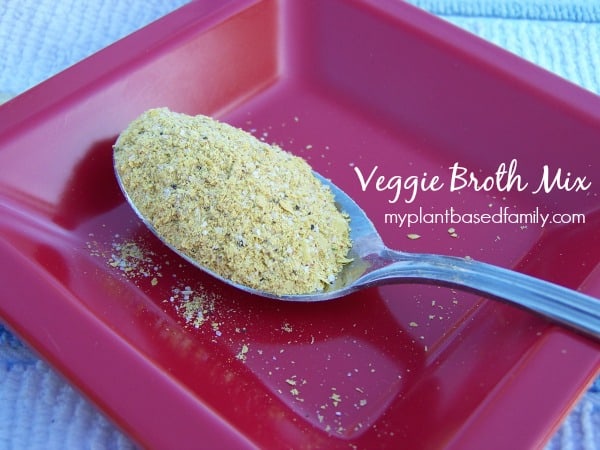
Veggie Broth Mix - My Plant-Based Family
Veggie Broth Mix - My Plant-Based Family
Prep time
Total time
Author: Holly Yzquierdo
Ingredients
- 3 Tablespoons onion powder
- 1 Tablespoons garlic powder
- 1 Tablespoons sea salt
- 1 teaspoon black pepper
- 1 teaspoon thyme
- 1 teaspoon paprika
- ½ teaspoon tumeric
- ½ teaspoon parsley flakes
- 1 cup nutritional yeast
Instructions
- Mix all ingredients together, adjusting for your taste preferences. (If you hate once of these spices simply omit it.)
- Store in an air tight container.
Vegetable Bouillon Powder - Intentionally Eat
Vegetable Bouillon Powder - Intentionally Eat

Vegetable Bouillon Powder
This vegetable bouillon powder adds incredible flavor to soups, stock and chowders, plus it is quick and easy to make. You can feel good about this healthy bouillon because it is free from chemicals and additives.
Prep Time5 minutes
Total Time5 minutes
Servings1 cup
Calories20kcal
Ingredients
- 1 cup nutritional yeast
- 1 1/2 Tbsp salt
- 1 Tbsp garlic powder
- 1 Tbsp onion powder
- 1 Tbsp thyme
- 1 Tbsp parsley
- 1 tsp celery seeds
- 1/4 tsp turmeric
Instructions
- Mix all ingredients and store in an airtight jar.
- Add 1 Tbsp to 1 cup warm water for 1 cup vegetable broth.
Nutrition
Serving: 1Tbsp | Calories: 20kcal | Carbohydrates: 2g | Protein: 3g | Fiber: 1g
Celiac Disease and Headaches - Gluten Free & More

A research team in the UK recently explored the relationship between celiac disease and headaches. Using a systematic computer-based literature search, they found that 26 percent of adults and over 18 percent of children with celiac disease have headaches. The headaches are predominantly migraines.
Read More


Gluten Free Cream of Soup Recipes
D.I.Y. Friday: Gluten Free Cream of (Chicken) Soup
Prep time: Cook time: Yield: About 3 1/2 cups condensed soup
INGREDIENTS
Cream of Mushroom Soup
1 tablespoon (14 g) extra-virgin olive oil
1 tablespoon (14 g) extra-virgin olive oil
1 small shallot, peeled and minced
1 pound fresh button or baby portabella mushrooms, cleaned and sliced thickly
3 tablespoons (42 g) unsalted butter
5 tablespoons (45 g) basic xanthan-gum free gluten free flour blend (30 grams superfine white rice flour + 10 grams potato starch + 5 grams tapioca starch/flour)
3/4 teaspoon kosher salt
1/8 teaspoon freshly ground black pepper
1 1/2 cups (12 fluid ounces) vegetable stock
1 can (12 fluid ounces) evaporated milk
Cream of Chicken Soup1 tablespoon (14 g) extra-virgin olive oil
1 small shallot, peeled and minced
3 tablespoons (42 g) unsalted butter
5 tablespoons (45 g) basic xanthan-gum free gluten free flour blend (30 grams superfine white rice flour + 10 grams potato starch + 5 grams tapioca starch/flour)
3/4 teaspoon kosher salt
1/8 teaspoon freshly ground black pepper
1 tablespoon dried poultry seasoning (or 1/2 teaspoon dried parsley + 1 teaspoon dried sage + 1/2 teaspoon dried thyme + 1/2 teaspoon dried marjoram + 1/2 teaspoon rosemary)
1 1/2 cups (12 fluid ounces) chicken stock
1 can (12 fluid ounces) evaporated milk
1 cup diced cooked chicken
Cream of Potato Soup
1 tablespoon (14 g) extra-virgin olive oil
1 tablespoon (14 g) extra-virgin olive oil
1 small shallot, peeled and minced
3 tablespoons (42 g) unsalted butter
5 tablespoons (45 g) basic xanthan-gum free gluten free flour blend (30 grams superfine white rice flour + 10 grams potato starch + 5 grams tapioca starch/flour)
3/4 teaspoon kosher salt
1/8 teaspoon freshly ground black pepper
1 teaspoon dry mustard powder (optional)
1 1/2 cups (12 fluid ounces) chicken or vegetable stock
1 can (12 fluid ounces) evaporated milk
1/2 pound red-skin potatoes, peeled and diced
DIRECTIONS
- For the cream of mushroom soup, in a medium-size saucepan, heat the olive oil over medium-high heat. Add the shallots and mushrooms, and cook until the shallots are translucent and the mushrooms are fork tender (about 4 minutes). Transfer the mushrooms and shallots to a small bowl, and set it aside. To the same medium-size saucepan, add the butter and melt over medium heat. Add the flour blend, salt and pepper, and stir to combine well. The mixture will clump at first, and then smooth. This is the roux that will thicken the soup. Cook over medium heat, stirring constantly, until the mixture has just begun to turn a very light brown color. Add the stock to the roux very slowly, stirring constantly to break up any lumps that might form. Add the evaporated milk, and continue to stir until the mixture is smooth. Bring the mixture to a simmer, and continue to cook, stirring occasionally, until reduced by about one-quarter (about 7 minutes). Remove the saucepan from the heat, and add the mushrooms and shallots. Stir to combine.
- For the cream of chicken soup, in a medium-size saucepan, heat the olive oil over medium-high heat. Add the shallots, and cook until translucent (about 4 minutes). Transfer the shallots to a small bowl, and set aside. To the same medium-size saucepan, add the butter and melt over medium heat. Add the flour blend, salt, pepper, and poultry seasoning, and stir to combine well. The mixture will clump at first, and then smooth. This is the roux that will thicken the soup. Cook over medium heat, stirring constantly, until the mixture has just begun to turn a very light brown color. Add the stock to the roux very slowly, stirring constantly to break up any lumps that might form. Add the evaporated milk, and continue to stir until the mixture is smooth. Bring the mixture to a simmer, and continue to cook, stirring occasionally, until reduced by about one-quarter (about 7 minutes). Remove the saucepan from the heat, and add the cooked chicken. Stir to combine.
- For the cream of potato soup, in a medium-size saucepan, heat the olive oil over medium-high heat. Add the shallots, and cook until translucent (about 4 minutes). Transfer the shallots to a small bowl, and set aside. To the same medium-size saucepan, add the butter and melt over medium heat. Add the flour blend, salt, pepper, and optional mustard powder, and stir to combine well. The mixture will clump at first, and then smooth. This is the roux that will thicken the soup. Cook over medium heat, stirring constantly, until the mixture has just begun to turn a very light brown color. Add the stock to the roux very slowly, stirring constantly to break up any lumps that might form. Add the evaporated milk, and continue to stir until the mixture is smooth. Add the diced potatoes , stir to combine and bring the mixture to a simmer. Continue to cook, stirring occasionally, until the potatoes are tender and the mixture is reduced by about one-quarter (about 10 minutes). Remove the saucepan from the heat.
Love,
Nicole
Nicole
This recipe was brought to you by Nicole Hunn of Gluten-Free on a Shoestring:
https://glutenfreeonashoestring.com/d-y-friday-gluten-free-cream-chicken-soup/
https://glutenfreeonashoestring.com/d-y-friday-gluten-free-cream-chicken-soup/
Breakfast With a Dose of Roundup?

Read More
McDonald's French Fries are NOT Gluten Free
Ingredients: Potatoes, Vegetable Oil (Canola Oil, Corn Oil, Soybean Oil, Hydrogenated Soybean Oil, Natural Beef Flavor [Wheat and Milk Derivatives]*), Dextrose, Sodium Acid Pyrophosphate (Maintain Color), Salt.
*Natural beef flavor contains hydrolyzed wheat and hydrolyzed milk as starting ingredients.
Contains: WHEAT, MILK.
This is the ingredient list is for McDonald's french fries in the United States. Please stop telling others the fries are gluten-free. There is a wheat allergen warning RIGHT ON THEIR WEBSITE.
Source: McDonald's Website

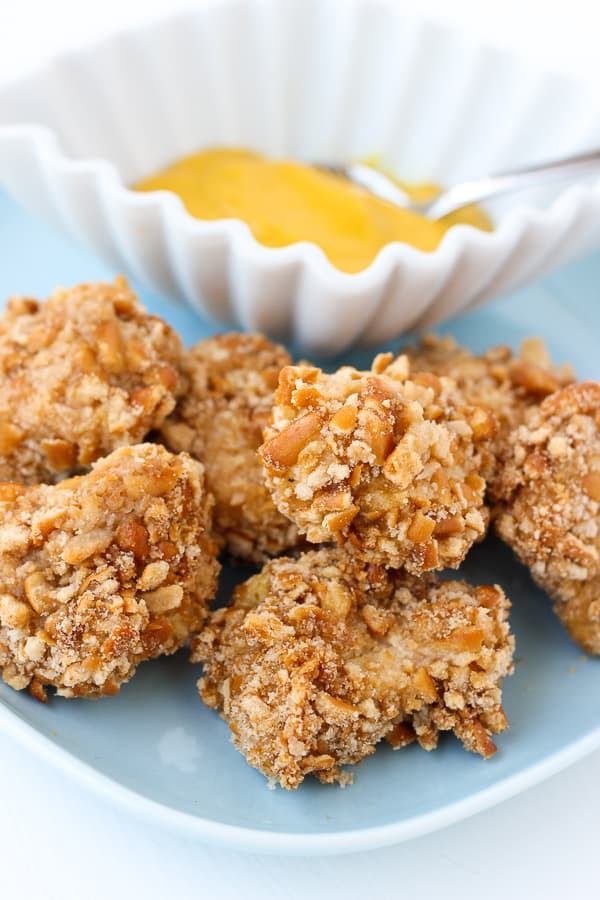
Gluten-Free Pretzel Crusted Chicken {Dairy-Free} - Meaningful Eats
Not thrilled with gluten-free breadcrumb options when breading chicken? Try this Gluten-Free Pretzel Crusted Chicken recipe instead. You won't be disappointed!
Gluten-Free Pasta Salads!
Pamela shows you how easy it is to make gluten-free pasta salads using her new Rotini pasta


Use Pamela's Rotini with your favorite sauces such as pesto,Alfredo or marinara, for pasta primavera, in cold pasta salad, or with shrimp, chicken and vegetables. Enjoy it your way!
- Gluten-Free
- Vegan
- Certified USDA Organic
- Certified Gluten-Free by the GFCO
- Non-GMO Verified
- 8 g of protein per serving
- Kosher certified
If you can’t find this product near you, download this flyer, print it out and bring it in to your local store!
Ingredients: Organic White Rice Flour, Organic Pea Protein, Organic Sprouted Brown Rice Flour
|

Gluten Free Skin Care - Yay or Nay?
This is debate not yet determined... science has conflicting responses. What are YOU comfortable with if you are a Celiac Patient?
Gluten Free Skin and Personal Care are not necessary per
You should only use gluten-free shampoo and cosmetics.
 This is a personal decision that each of us can make, but science indicates that gluten in shampoo and cosmetics is not a threat to those with celiac disease – except for those that may be easily ingested, like lipstick or potentially hand lotion. Researchers have found that unless you have a deep and open wound, gluten cannot absorbed through the skin making topical items acceptable for use. (A quick reminder: don’t forget to wash your hands after applying a gluten-containing hair or cosmetic product to avoid any unintentional ingestion.) If you have a reaction to a cosmetic or toiletry, consider an alternate culprit like an allergic reaction.
AND

Vs.
"Lipstick, lip-gloss, mouthwash, toothpaste—they can all trigger a reaction in people with celiac disease," says Alice Bast, founder and president of the National Foundation for Celiac Awareness (NFCA). "If you're sensitive to gluten, you should be using gluten-free cosmetics and toiletries. Even if you don't experience any symptoms, you could be doing damage on the inside." Her thinking, though accepted by many, is yet to become mainstream. Experts are split over whether sufferers should avoid cosmetics that contain gluten. Some are adamant that gluten-free cosmetics prevent flare-ups, while others suspect that the amount of gluten in makeup is too small to trigger real problems. There's no standard protocol yet—and the question will remain murky until more research exists.
Another reason to consider Gluten Free Personal Care
Should Your Skincare Products Be Gluten-Free?
Gluten-free foods and skin care products are becoming all the rage, and while a gluten-free diet may be necessary for those with gluten intolerance or sensitivities, does your skin really benefit from a gluten-free routine? There is conflicting evidence as to whether or not gluten molecules are able to penetrate the skin when applied topically, but most experts believe that only gluten that is ingested poses a risk to people with celiac disease. There is, however, a condition known as dermatitis herpetiformis that is also gluten-related, as well as various levels of wheat allergies and sensitivities. Here is an overview of these skin conditions and how using products that contain gluten may or may not affect them.
What Is Dermatitis Herpetiformis?
Dermatitis herpetiformis, also known as Duhring’s disease, is a skin rash that can affect people with gluten intolerance. It is characterized by itchy bumps and blisters that may resemble those caused by the herpes virus, although this condition is not related to herpes, despite its name. Many times, dermatitis herpetiformis is misdiagnosed as eczema, but unlike eczema, this condition can be completely cleared by adopting a gluten-free diet. However, it does not appear that topical products containing gluten contribute to these symptoms (Celiac Disease Foundation). Although a growing body of research indicates that gluten molecules are too large to penetrate the skin, those with wheat allergies may experience a rash or irritation when gluten-containing products are applied to the skin (Mayo Clinic). In this case, you may need to look for skin care products that are gluten-free. If you’re struggling to manage dermatitis herpetiformis, or think that you might have an allergy to wheat that is causing a rash, talk with your dermatologist about the most appropriate treatment options.
Consider Gluten-Free Lip Products
While it’s unlikely that topically-applied skin care products will trigger symptoms of celiac disease, using lip products that contain gluten may pose a slight risk, as these can be accidentally ingested. If you have celiac disease, a gluten sensitivity, or gluten allergy, you might want to consider swapping out your lip balms and other lip care products that contain gluten for gluten-free options.
Confused about Which Skin Care Products to Use?
Any time you experience a rash, itching, or other signs of irritation after using a particular skin care product, it’s a sign that there is at least one ingredient in that product that isn’t right for your skin type, or that you are allergic to. If you’re not sure what could be causing the adverse reaction, take the suspected product to your dermatologist so that he or she can help to piece together the puzzle. Many times, people will try to solve their skin care problems on their own by layering product after product, which can end up making matters worse. Instead, find a dermatologist in your area who offers the innovative Skin Type Solution system, which first assesses your skin based on a questionnaire and determines which of the 16 Baumann Skin Types you are. Then, you can head to www.SkinTypeSolutions.com or work with your dermatologist to choose skin care products that perfectly match your skin type.
The Bottom Line
If you have a severe gluten intolerance or allergy, it may be worth your while to look into gluten-free options for skin care products, especially those that are applied near your mouth. Otherwise, gluten-free products may not be necessary, even for those with celiac disease. As a general rule of thumb, if you’re unsure about which products or ingredients you should avoid or include in your everyday skin care routine, consult your dermatologist. Using the wrong products can have numerous unwanted effects on your skin, whether gluten-free or not.
Myths About Celiac Disease | BeyondCeliac.org
Many myths exist surrounding celiac disease, non-celiac gluten sensitivity ('gluten sensitivity') and the gluten-free diet. Celiac disease expert and Beyond Celiac President and CEO Alice Bast debunks common myths in the article below, featured in an abbreviated form on AllergicLiving.com.
Myth Busters: Gluten-Free Edition
By Alice Bast

Depending on how long you’ve been gluten-free, you have probably debunked a few myths. No, you did not go gluten-free just to lose weight. No, you really can’t “just try” a bite of that sandwich.
This time, the myths come from within the gluten-free community. Yes, with all the information and connections available on the Internet, even our own community struggles with misconceptions from time to time. Here are some of today’s top myths and the truth behind them:
If it says “Manufactured in a facility that also processes wheat,” it’s not safe for people with celiac disease.
 The above is an example of what the FDA calls a voluntary allergen advisory statement. It is different from a “contains wheat” statement, which is required by law and means that the food definitely includes wheat. The voluntary warning, on the other hand, means that the product is not made with those allergens, but there may be a risk of cross-contact in the manufacturing process. The statement can seem alarming, but in some cases it may mean that the company is going above and beyond to let customers know about their processes.
If you find a product that is labeled gluten-free but bears a warning like this one, you can rest assured that the product must comply with the gluten-free labeling law. Even though foods can have an allergen advisory statements for wheat, if they are also labeled gluten-free, the product must meet the requirements of the gluten-free labeling rule. Basically, these labels are voluntary and the absence of an advisory statement does not automatically mean a product is produced in a dedicated gluten-free facility.
If you’d like to investigate a product further, Beyond Celiac suggests visiting the company’s website or calling their hotline to learn more about their manufacturing practices. It’s absolutely possible for a manufacturer to produce safe gluten-free food for people with celiac disease using shared equipment or a shared facility, as long as they have the proper sourcing, cleaning, storage, production and testing protocols in place to keep the food safe.
Gluten-free food should contain zero gluten.
 This seems like a simple expectation, but in reality it’s nearly an impossible feat – and one that would severely limit our food supply. Our current methods for gluten detection will test to 3 parts per million (ppm) at the lowest and other more reliable tests will detect as low as 5 ppm. Even if we are able to test for zero ppm in the future, that level would be so strict that it would be likely that many manufacturers simply couldn’t reach it – and those that do would potentially carry an even higher price tag. Most importantly, researchers agree that most people with celiac disease can safely tolerate up to 20 ppm of gluten. Even so, many manufacturers are testing at even lower levels so they can be accessible to more sensitive individuals.
Based on testing hundreds of samples of food products labeled gluten-free through Tricia Thompson’s Gluten-Free Watchdog using the formally validated sandwich R5 ELISA Mendez Method, the vast majority of product samples are testing well below 20 ppm.
You can diagnose gluten sensitivity through a blood, saliva or stool test.
 While these tests may be on the market, it’s very important to know that these tests have not been validated and are therefore not accepted by the scientific community. Currently, biomarkers (a specific indicator of disease) for gluten sensitivity have not been identified, which means that gluten sensitivity remains a diagnosis of exclusion.
These types of tests oversimplify diagnosis and may lead to dietary restrictions or other changes in a person’s life that may not be necessary. Currently, the only way to confirm gluten sensitivity is through a process of elimination – by testing negative for celiac disease and wheat allergy and then eliminating gluten under the supervision of a physician or registered dietitian skilled in celiac disease.
Check out the dedicated web section from Beyond Celiac on gluten sensitivity to learn more, including interviews with leading celiac disease experts: www.BeyondCeliac.org/NCGS.
You should only use gluten-free shampoo and cosmetics.
This is a personal decision that each of us can make, but science indicates that gluten in shampoo and cosmetics is not a threat to those with celiac disease – except for those that may be easily ingested, like lipstick or potentially hand lotion. Researchers have found that unless you have a deep and open wound, gluten cannot absorbed through the skin making topical items acceptable for use. (A quick reminder: don’t forget to wash your hands after applying a gluten-containing hair or cosmetic product to avoid any unintentional ingestion.) If you have a reaction to a cosmetic or toiletry, consider an alternate culprit like an allergic reaction. You don’t have the same symptoms as your family member, so you don’t have celiac disease.
 We all know that celiac disease can be quite a chameleon, and that can also be the case within a family. Just as it’s not uncommon for one person to have severe gastrointestinal problems, another to have anemia and another to have no symptoms at all, the same holds true for family members. Because first and second-degree relatives have an increased risk of developing celiac disease (1 in 22 for parents, siblings, children; 1 in 39 for aunts, uncles, nephews, nieces, cousins, grandparents, half-siblings), celiac disease experts recommend family member testing as a proactive approach to diagnosis.
Most celiac disease physicians suggest relatives get a blood test at the same time their family member is diagnosed and then every 2 to 3 years or anytime potential symptoms emerge. Because celiac disease can develop at any age, it’s possible for a relative to have an initial negative test result, but then test positive 12 years later. A genetic test can help to determine your risk and can even rule out celiac disease if a person is found to not carry the celiac disease genes.
Learn how to have an effective conversation with your family members about their genetic risk at www.SeriouslyCeliac.org.
If a restaurant has a gluten-free menu, they know how to serve me.
 One day, we all hope to sit down to a gluten-free meal, no questions asked. Until then, don’t take gluten-free menus for granted. Unfortunately, some restaurants have introduced gluten-free options without doing their due diligence to learn and understand what it means to serve a gluten-free meal that’s safe for people requiring a medically necessary gluten-free diet. The reverse can also be true: Just because a restaurant doesn’t have a gluten-free menu doesn’t mean that they can’t serve you. I know several restaurants that will prepare fantastic and safe gluten-free meals upon request. The best thing you can do is call ahead and ask how they address gluten-free guests.
Celiac disease is on the rise because today’s wheat is different than it used to be.
 There are many theories as to why celiac disease is becoming more and more prevalent. One of those theories is that wheat has been bred to contain higher amounts of gluten. According to Donald Kasarda, PhD, Collaborator, Agricultural Research Service, U.S. Department of Agriculture, and Beyond Celiac Scientific/Medical Advisory Council member, that theory falls flat. Dr. Kasarda published a study last year that found that wheat breeding was not to blame for the rise in celiac disease. Other factors, such as overall wheat consumption or an additive known as “vital wheat gluten,” are potential areas to explore in the future, but so far no definitive causes have been identified.
As research continues, you can expect to see more myths busted in the future. Take this as an opportunity to start reading more about the latest news in celiac disease and the gluten-free diet, and always choose credible sources!
Subscribe to:
Posts (Atom)